Money you accumulate can work like an orchard, and the income—the fruit crop—helps run retirement life. Some in the industry would call clients taking out their own money “attrition.” Attrition, per the dictionary: “loss or destruction, corrosion, waste.” But to us, it’s simply investing wisely, spending well. Attrition, shmattrition.
Want content like this in your inbox each week? Leave your email here.
We’ve got Roth IRAs on the brain. Why? How would you like to never, ever pay income tax on investment gains and dividends and interest on some fraction of your money? Oh—and your beneficiaries never would either. Well?
That’s the magic of the Roth IRA, properly used.
Every single person may convert existing IRA or rollover balances into a Roth IRA, by paying income tax on the converted amount. Many believe income taxes will rise in the years ahead, above the scheduled increases in the current law.
Anyone may do a conversion of the amount they choose from existing IRA or rollover accounts, although other factors determine whether you are also eligible to contribute: those limits vary year to year, so be sure to check on your particular situation.
Here are some reasons that people are using this conversion technique:
It allows folks to take advantage of the perhaps lower tax brackets they are in currently: why leave the 12% or 22% or 24% bracket partly unused if you believe your tax rates will be higher in the future?
It provides a bucket for your most dynamic investments, where gains will never be taxed.
It offers balance to your retirement assets, between traditional “pay tax later” accounts and Roth “pay tax now” accounts. This reduces future RMDs (required minimum distributions) and increases your cash flow flexibility.
Like so much of life, we cannot know the future, so we simply do the best with what we do know. “A little of this, a little of that” may be a prudent way to deal with uncertainty. Future tax rates, future investment results, and your future cash flow needs are all unknown. So it might make sense to take a middle-of-the road approach—and build more flexibility into your retirement situation.
Roth conversions go by calendar year, so if you would like to talk about your options, please call or email us in the next few weeks.
Traditional IRA account owners have considerations to make before performing a Roth IRA conversion. These primarily include income tax consequences on the converted amount in the year of conversion, withdrawal limitations from a Roth IRA, and income limitations for future contributions to a Roth IRA. In addition, if you are required to take a required minimum distribution (RMD) in the year you convert, you must do so before converting to a Roth IRA.
This material is for informational purposes only and does not constitute tax, legal, or investment advice. Please consult a qualified tax professional regarding your individual circumstances.
Want content like this in your inbox each week? Leave your email here.
An RMD at 73? It’s not the catchiest IRS rule we’ve ever heard… And you’re not alone if you’ve ever been confused by an IRS rule. 😅 In this week’s video Mark’s talking about “Required Minimum Distributions.” Stop by or give us a call if you’re wondering what it might mean for you.
Want content like this in your inbox each week? Leave your email here.
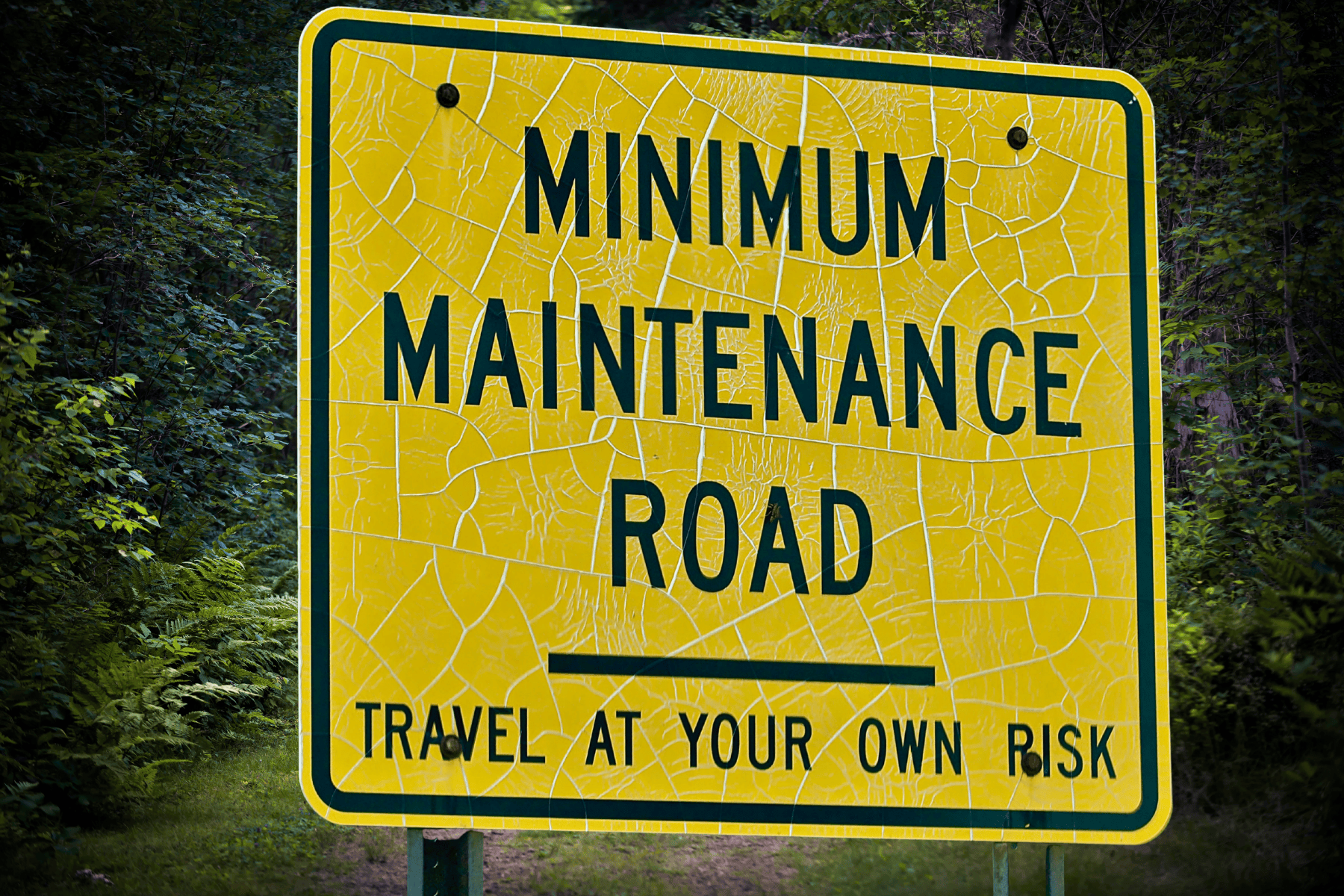
Here in the Midwest, we have something called Level B roads. Nebraskans know them as “minimum maintenance roads”: they’re those dirt roads that are not maintained by the county or state. They’re usually used for farmers or the folks who reside in the remote country.
These roads are functional but can be dangerous. The road is usually only big enough for one car to pass through. Dry dirt can easily turn into a mudslide after a downpour.
Every time we pass one of these roads, we see a warning that states “Enter At Your Own Risk.” Meaning: If you get stuck, you will have to find your own way out. You are liable.
These Level B roads remind us a lot of speculative investments.
Speculative investments attempt to outperform the market, quickly. They are high-risk, and focus on short-term price movements rather than long-term results. (For examples, just think of the fads or headlines that seem to come and go the fastest in the investment world.)
Speculative investments have always been a trending topic, but we haven’t jumped on the bandwagon.
Risk and reward go hand in hand. High volatility means big swings—maybe you earn a big whopping percent or you lose it—and most investors aren’t signing up for that kind of ride. Clients, many of you have been working with years and decades to grow your wealth. There’s no need to hop on a Level B road going 60 miles per hour: there’s time to take in the view and pick and choose our route!
Speculative investments might get you to where you’re going, faster… or you could wind up stuck with more problems than before.
We prefer to pick our positions in equities with a little more perspective. We track our investments weekly, rebalance portfolios quarterly. We don’t have to think too hard about trying any shortcuts, because we are in it for the long haul.
Clients, we sure appreciate this journey with you. Please call or write with any questions.
Want content like this in your inbox each week? Leave your email here.
Clients, there is a new friendly face that recently joined our team. Let us take a moment to get everyone up to speed.
As our enterprise grows, so does our team!
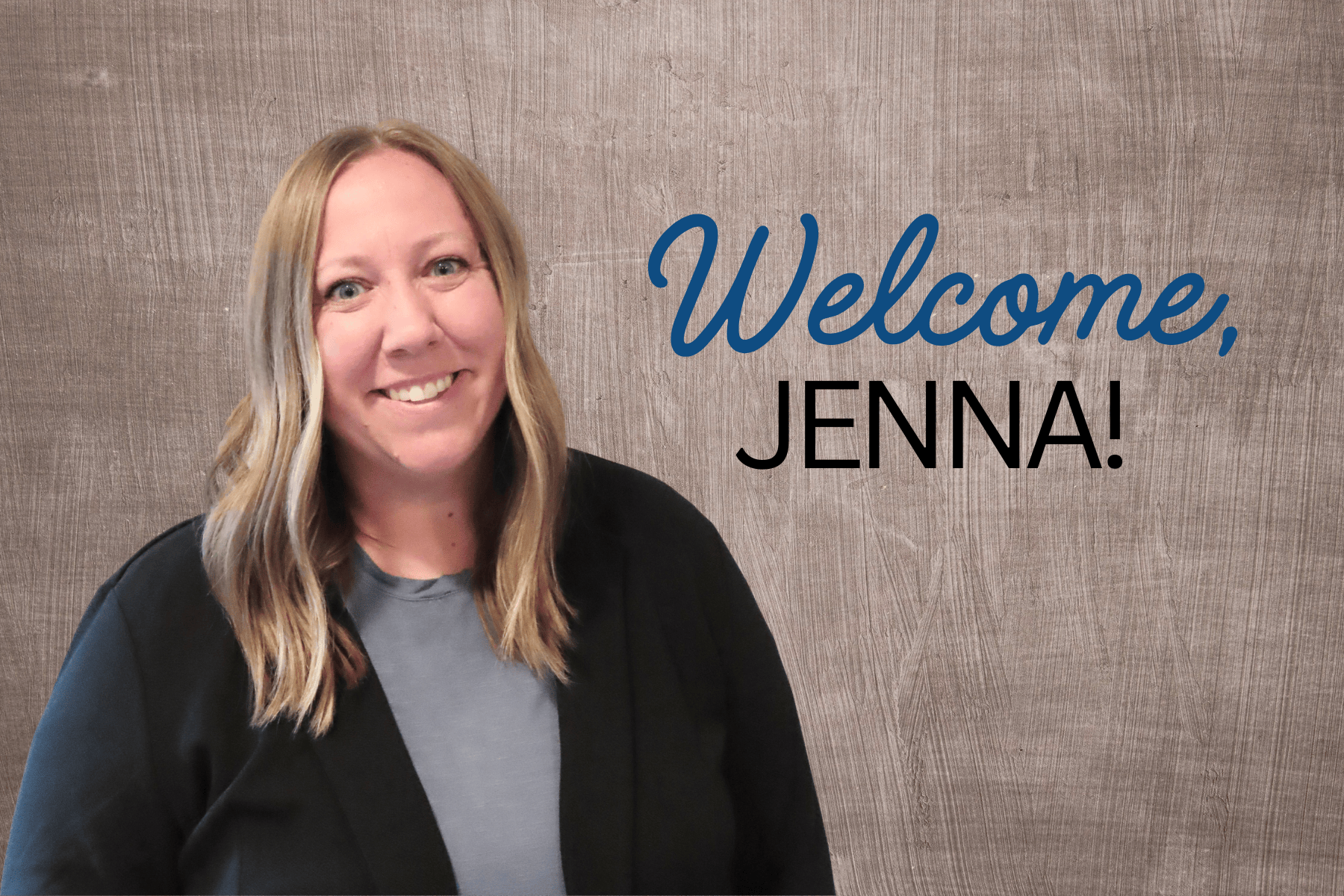
We’re pleased to introduce Jenna Groves, joining us as our newest Client Services Associate.
We believe the core activities of our enterprise are investment research, portfolio management, and talking to you. But nothing happens until the details are handled, and they are crucial. So Jenna is joining our client services team—a team that plays a vital role.
Jenna brings years of experience working in banking and healthcare industries, so a passion for helping others is part of her DNA. We could tell right away that her attitude, values, and skillset were a great match for our needs. She tells us she’s excited to join our team that strives to put people first and help them feel supported and informed.
A Springfield native who has lived in Louisville for years now, Jenna fits right in here with our love of the outdoors. Her family includes her high school sweetheart and her 5-year-old son. And if you’re a fan of country music, she’d love to chat, as one of her favorite activities is attending country music concerts.
Jenna may be the latest addition to the 228 Main team, but she is already caught up on the “history” of our work here. The mission is the same for the whole team: we strive to grow your buckets. And that project takes all of us, from research and trading to paperwork and communications—it happens when all of us are ready to be of service to each other.
Come in and say hello if you have a chance. Welcome, Jenna!

You must be logged in to post a comment.